


-

Add: HeBei ShengShi HongBang Cellulose Technology CO.,LTD.
-

Email
13180486930@163.com -

CONTACT US
+86 13180486930
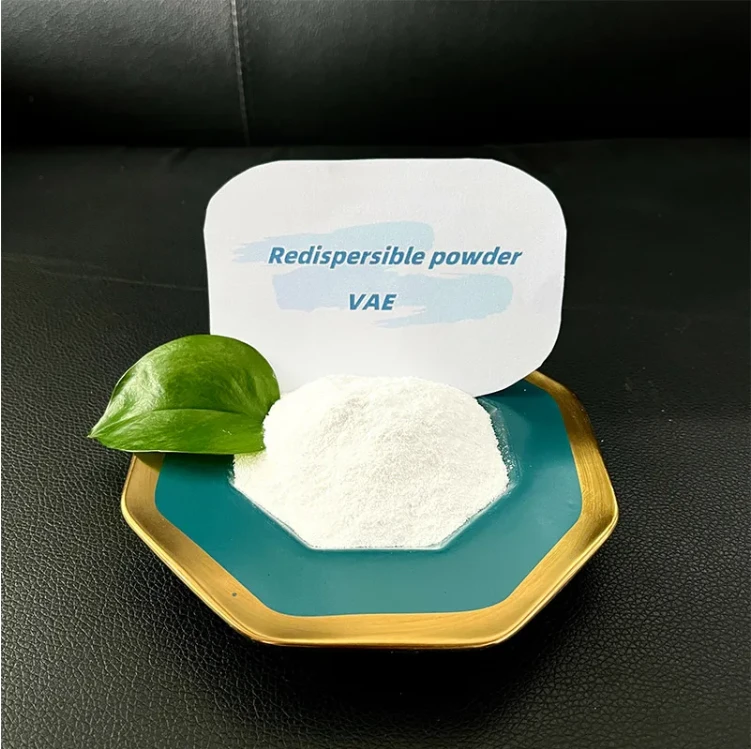
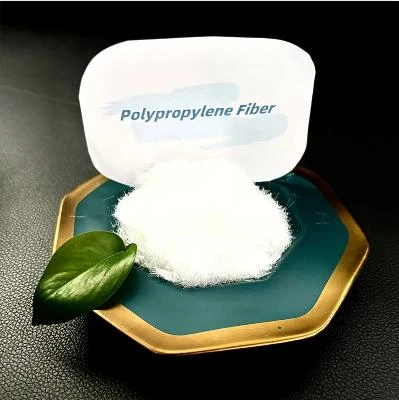
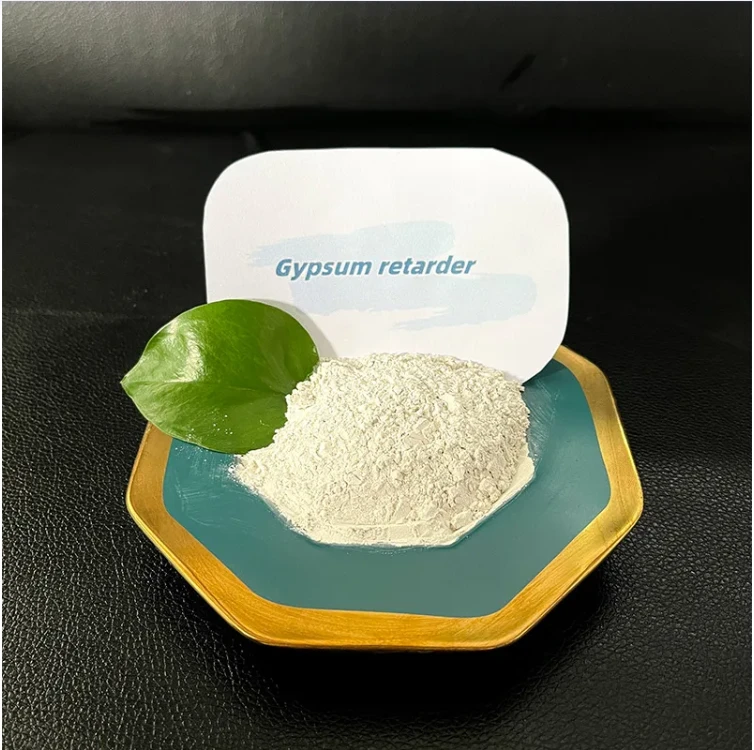
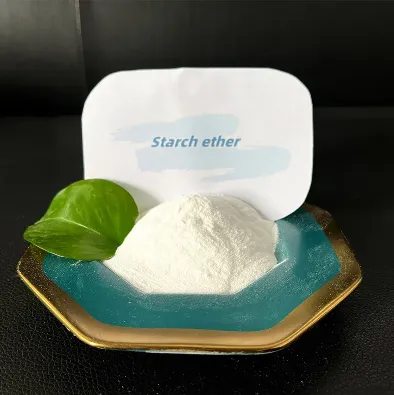

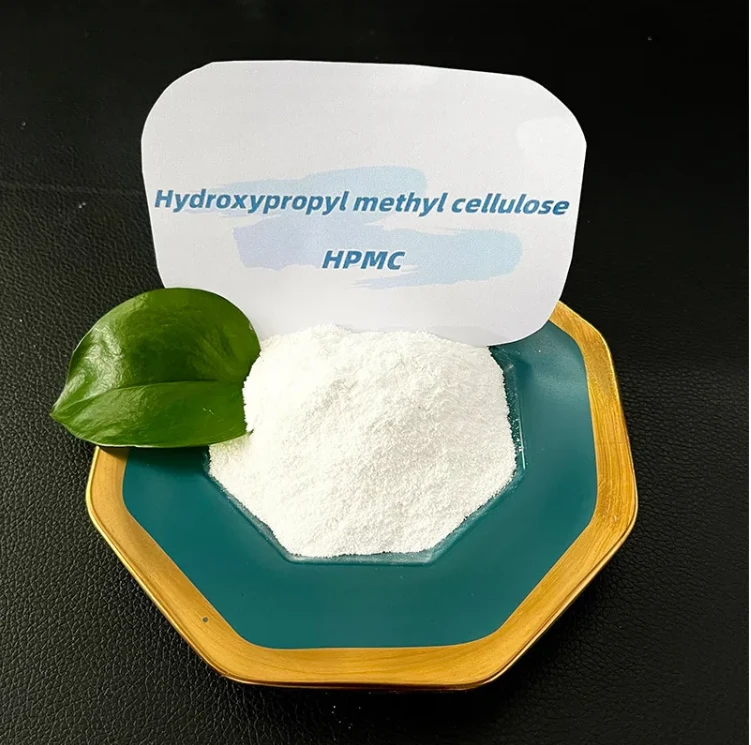


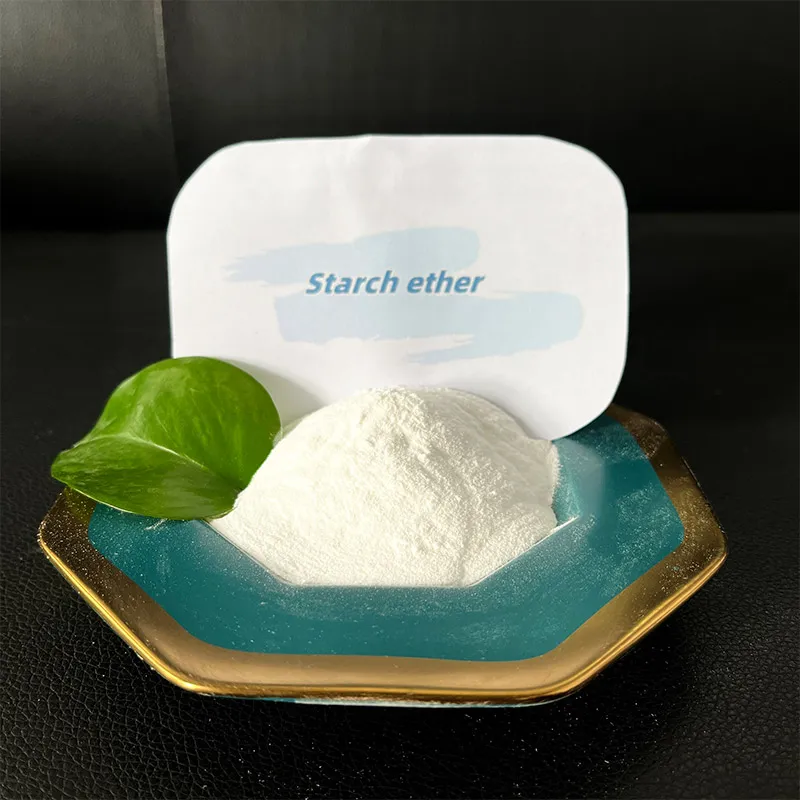
The Insider’s Guide to Starch Ether in Modern Drymix and Beyond If you’ve spent time on a jobsite—or in a lab with a Brookfield viscometer humming in the background—you’ve probably noticed how starch ether quietly fixes problems most people blame on “sand” or “weather.” To be honest, the material’s not flashy. But it’s the difference between a tile adhesive that sags and one that just… sticks. From HeBei ShengShi HongBang Cellulose Technology CO., LTD (Room 1904, Building B, Wanda Office Building, JiaoYu Road, Xinji City, Hebei Province), this refined, white powder is plant-derived, modified via controlled etherification, then spray-dried. In fact, many customers say its balance of water retention and slip-resistance is the most “forgiving” in their drymix line. Industry trend check Two currents define this year’s drymix market: lower-VOC, bio-based additives, and finer control of open time without compromising anti-sag. starch ether —especially low-ionic variants paired with HPMC—hits both goals. Surprisingly, we’re also seeing uptake in gypsum skims where finish consistency matters more than peak viscosity numbers. How it’s made (real-world process flow) Materials: plant starch slurry, alkali, etherifying agents (e.g., hydroxypropyl, carboxymethyl sources), water. Methods: alkalization → controlled etherification (DS tuned) → neutralization → washing → filtration → spray drying → milling → sieving. QC & testing: moisture (oven), DS (titration), 2% sol. viscosity (Brookfield RV, ASTM D2196), pH (1% sol.), sieve residue (250 μm), mortar tests (EN 12004, EN 1015-12, ASTM C1437). Service life: packed shelf life ≈ 24 months (dry, sealed); finished mortar systems typically 20–30 years depending on binder and exposure. Industries: drymix mortars (tile adhesive, wall putty, skim coat, EIFS), gypsum plasters, grouts, fillers, waterborne paints, ceramic bodies. Typical product specs Parameter Value (≈) Notes Appearance White free-flowing powder Plant-derived Moisture < 12% GB/T 6283 Degree of substitution (DS) 0.05–0.30 Customizable 2% sol. viscosity 200–1200 mPa·s Brookfield, ASTM D2196 pH (1% sol.) 7.0–11.0 Ambient temp. Sieve residue < 5% @ 250 μm Flow consistency Recommended dosage 0.05–0.30% on binder Formulation-dependent Where it shines (applications and data) Tile adhesives (C1/C2): reduces slip, improves open time; synergistic with HPMC. Wall putty & skim coat: smoother knife feel; fewer drag marks. Gypsum plaster: anti-sag and better edge retention; less blistering. Self-leveling: anti-segregation at tiny dosages; careful not to over-thicken. Lab snapshot (internal, 23°C, 50% RH): with 0.15% starch ether in a C1 tile adhesive, slip dropped from 1.8 mm to 0.5 mm; open time (EN 1346 proxy) extended ≈ 8–10 minutes; flow (ASTM C1437) stayed within ±5% of control. Real-world use may vary, obviously. Case notes High-summer retrofit (UAE): starch ether + mid-vis HPMC maintained ridges in 38°C heat; installer complaints dropped to near zero. Gypsum skim (EU): 0.12% starch ether cut edge slump by ≈40% while keeping sandability acceptable. Vendor comparison (field impressions) Vendor Typical DS Viscosity Range Certs Lead Time HeBei ShengShi HongBang 0.05–0.30 200–1200 mPa·s ISO 9001, REACH-ready 10–15 days Vendor B (EU) 0.08–0.25 300–1000 mPa·s ISO 14001 3–4 weeks Vendor C (APAC) 0.05–0.20 150–800 mPa·s RoHS 2–3 weeks Note: ranges are indicative; always validate on your own line mixers and local sand. Customization, QC, and packaging Custom DS, particle size, and viscosity windows to match HPMC grade and binder chemistry. Routine tests: rotational rheometry (ISO 3219), flow table (ASTM C1437), tensile adhesion after heat/water aging (EN 12004-1). Packing: 25 kg paper bags with PE liner; palletized. Store cool and dry. Installer feedback? “Knife feel is calmer,” one foreman put it. Another said starch ether “buys me five more minutes when clouds roll in.” Not a bad review. Certifications and compliance Manufacturing under ISO 9001 with batch traceability; compliance support for REACH. Mortar performance verified to EN 12004 classes when used in suitable formulations. Authoritative citations ASTM D2196 – Standard Test Method for Rheological Properties of Non-Newtonian Materials by Rotational (Brookfield) Viscometer. ASTM C1437 – Standard Test Method for Flow of Hydraulic Cement Mortar. EN 12004-1:2017 – Adhesives for tiles. Requirements, evaluation of conformity, classification, and designation. EN 1015-12 – Methods of test for mortar for masonry: Determination of adhesive strength. ISO 3219 – Polymers/Resins in liquid form or as emulsions/dispersions—Determination of viscosity using a rotational viscometer.
- 40000tons

Production
- 20+years

Experience
- 5000+㎡

Acreage

-
HPMC (Hydroxypropyl Methylcellulose) là một polymer bán tổng hợp, có khả năng hòa tan trong nước, được sử dụng rộng rãi trong nhiều ngành công nghiệp, bao gồm thực phẩm, dược phẩm, mỹ phẩm và vật liệu xây dựng. Với việc chú trọng vào các tiêu chí E-E-A-T (Experience, Expertise, Authoritativeness, Trustworthiness), bài viết này sẽ cung cấp cái nhìn sâu sắc về các cấp độ (grades) của HPMC và cách chúng có thể đáp ứng nhu cầu của các ngành công nghiệp khác nhau. Một trong những yếu tố quan trọng nhất khi lựa chọn HPMC là sự đa dạng của các cấp độ, mỗi cấp độ được thiết kế để đáp ứng các nhu cầu cụ thể. Các cấp độ của HPMC được phân loại dựa trên độ nhớt, mức độ polymer hóa và thành phần hóa học. Độ nhớt của HPMC có thể dao động từ rất thấp đến rất cao, tương ứng với khả năng tạo độ dày hoặc ổn định của sản phẩm cuối cùng. Khả năng điều chỉnh độ nhớt làm cho HPMC trở thành lựa chọn lý tưởng cho các ứng dụng như chất làm đặc, chất ổn định trong mỹ phẩm, hoặc tá dược trong ngành dược phẩm. Kinh nghiệm sử dụng HPMC trong các ngành công nghiệp cho thấy rằng sự lựa chọn cấp độ phù hợp là cần thiết để tối ưu hóa hiệu suất sản phẩm. Ví dụ, trong ngành dược phẩm, HPMC được đánh giá cao trong việc sản xuất thuốc viên giải phóng theo thời gian. Với các cấp độ có độ nhớt cao, HPMC có thể tạo ra một lớp màng bao bên ngoài viên thuốc, đảm bảo thuốc được phát hành từ từ qua thời gian, cải thiện hiệu quả điều trị và giảm tác dụng phụ. Về mỹ phẩm, HPMC giúp cải thiện độ ổn định và cảm giác trên da của sản phẩm . Các cấp độ HPMC thấp thường được sử dụng trong các sản phẩm dưỡng ẩm và serums để tạo kết cấu mượt mà và dễ thẩm thấu. Sự linh hoạt của HPMC trong việc hình thành các loại gel và dung dịch giúp tăng cường cảm giác mềm mịn khi bôi sản phẩm lên da, tạo ra trải nghiệm người dùng tích cực. HPMC như các cấp Trong xây dựng, HPMC được sử dụng như một phụ gia cải thiện khả năng chống nước và độ bền của vữa. Các cấp độ có độ nhớt cao là lựa chọn hàng đầu trong việc cải thiện những đặc tính này, vì chúng tạo ra một mạng lưới polymer mạnh mẽ, chống thấm và chịu lực tốt. Điều này không chỉ giúp kéo dài tuổi thọ của các công trình xây dựng mà còn giảm thiểu chi phí bảo trì. Sự uy tín và tính chuyên môn khi sử dụng HPMC trên toàn cầu được củng cố qua nhiều nghiên cứu và báo cáo kỹ thuật. Các nhà khoa học và chuyên gia công nghiệp đã tiến hành nhiều thí nghiệm và phân tích để xác nhận tính hiệu quả và an toàn của HPMC ở các cấp độ khác nhau. Sự tin tưởng vào HPMC đến từ việc nó được kiểm nghiệm qua thời gian, và được chấp thuận bởi nhiều cơ quan kiểm định chất lượng quốc tế. Tính đáng tin cậy của HPMC cũng được thể hiện qua khả năng tái tạo và an toàn với môi trường. Được sản xuất từ cellulose thực vật, HPMC không chỉ bền vững mà còn an toàn, không gây nguy hại cho con người và hệ sinh thái. Điều này tạo ra sự hấp dẫn cho các công ty quan tâm đến phát triển bền vững. Có thể thấy, sự thấu hiểu sâu sắc về các cấp độ khác nhau của HPMC và ứng dụng phù hợp không chỉ tăng cường hiệu suất sản phẩm mà còn tạo ra giá trị lâu dài cho cả doanh nghiệp và người tiêu dùng. Sự kết hợp giữa trải nghiệm thực tế và kiến thức chuyên sâu chính là yếu tố quan trọng đưa HPMC trở thành lựa chọn hàng đầu trong nhiều ngành công nghiệp.
-

Modified starch is a versatile ingredient used across a wide range of industries, from food production to pharmaceuticals and construction. Among the different modified starch types , each serves a unique purpose, depending on the specific needs of the application. Modified starch is produced by altering the structure of natural starch to improve its properties, such as solubility, texture, and resistance to temperature changes. This adaptability makes it a key component in industries where high-performance materials are required. Understanding the various modified starch types is crucial for selecting the right product for each application. For example, some types of modified starches are designed to enhance the texture and mouthfeel of processed foods, while others are used as thickening agents or binders in adhesives, paints, and coatings. In this article, we will explore the different modified starch types , their uses, and how starch ether and its related products, like starch ether China , are driving innovation across industries. The Role of Starch Ether in Modern Manufacturing One of the key innovations in the world of modified starch is starch ether , a derivative of starch that has been chemically altered to provide enhanced functionality. Starch ether is typically used to modify the water retention, adhesion, and texture of starch-based products, making it invaluable in industries such as construction, textiles, and personal care. The versatility of starch ether makes it suitable for a broad range of applications, from improving the consistency of building materials to enhancing the properties of cosmetics and pharmaceuticals. The addition of starch ether to various products imparts superior binding capabilities, better viscosity control, and improved stability. For instance, in the production of starch ether China , which is a widely sourced product for global manufacturers, the ether modification allows for superior performance in products such as adhesives, paints, and coatings. Its ability to control the flow and viscosity of liquids is crucial in applications where consistency is important, such as in the formulation of emulsions and gels. Understanding Starch Ether Uses Across Industries Starch ether uses extend far beyond the food industry, where starch is most commonly associated. In fact, starch ether is increasingly being adopted in numerous industrial applications due to its ability to enhance the performance of products in areas like construction, pharmaceuticals, and personal care. Some of the most common starch ether uses include serving as a thickening agent, stabilizer, binder, and dispersing agent. In the construction industry, for example, starch ether is often included in the formulation of cement and gypsum-based products, such as tile adhesives and plasters. It improves the workability and water retention of these materials, ensuring they stay moist for longer periods during application, which is crucial for proper curing. In pharmaceuticals, starch ether uses as a binder in tablet formulations improve the compressibility and disintegration properties, enhancing the effectiveness and ease of use of the medications. The personal care sector also benefits from starch ether uses , especially in products like lotions, creams, and shampoos. It helps stabilize emulsions, improve texture, and enhance the product's spreadability, making it easier for consumers to apply and absorb. With its wide range of applications, starch ether proves to be a vital component in modern manufacturing processes across industries. Starch Ether China: Leading the Way in Global Production China plays a pivotal role in the global production and supply of starch ether , offering a wide range of products to meet the needs of international markets. Starch ether China has become synonymous with high-quality, cost-effective solutions for manufacturers around the world. The country's advanced manufacturing facilities, combined with its large-scale agricultural production of starch, make it a leading producer of modified starch and starch ether products. The demand for starch ether China continues to grow as industries increasingly turn to modified starch for its numerous benefits. One of the advantages of sourcing starch ether China is the ability to access competitively priced products without sacrificing quality. Chinese manufacturers are constantly innovating and improving their processes, ensuring that starch ether China remains at the forefront of the global market. Whether for use in food production, construction materials, or cosmetics, Chinese suppliers are able to meet the diverse needs of customers around the world. Factors Affecting Starch Ether Price and How to Get the Best Value When it comes to purchasing starch ether , one of the key factors that businesses need to consider is the starch ether price . The cost of starch ether can vary depending on several factors, such as raw material availability, manufacturing processes, and global supply chains. Understanding these factors is essential for businesses looking to optimize their procurement strategy and ensure they get the best value for their investment. Starch ether price is typically influenced by the cost of the underlying starch, as well as the complexity of the modification process required to produce the ether. Additionally, fluctuations in the global demand for modified starches can impact the price, as industries in food production, construction, and personal care all seek to incorporate starch ether into their formulations. Supply chain dynamics, including transportation costs and regional production capabilities, also play a role in determining the final price. To get the best value, businesses should work closely with suppliers to understand the market trends and identify opportunities for bulk purchasing or long-term contracts. When sourcing from countries like China, which offer starch ether China at competitive prices, companies can benefit from lower costs without compromising on quality. Additionally, it is important to consider the overall performance benefits that starch ether provides, as these can offset initial price differences by enhancing the quality and functionality of the final product. M odified starch types , starch ether , and their various applications play a crucial role in a wide array of industries. From improving the workability of construction materials to enhancing the texture of personal care products, starch ether is a vital component in modern manufacturing processes. With starch ether China emerging as a leading supplier on the global market, businesses now have access to high-quality products at competitive prices. By understanding the various starch ether uses and factors that influence starch ether price , companies can make informed decisions to maximize the benefits of these versatile and sustainable materials.
advantages
-

200000 Viscosities
Excellent product
We can produce pure products up to 200,000 viscosities
-

40000 tons
High yield
We don’t stop production all year round, and the annual output can reach 40,000 tons
-

24 hours
Quality service
We provide 24-hours online reception service, welcome to consult at any time
———— Inquiry Form
Schedule A services
-
 hpmc_e5_viscosity
Oct . 25, 2025
hpmc buy -
 glass_fiber_reinforced_polypropylene_properties
Oct . 25, 2025
Methylcellulose is increasingly gaining attention in the realm of ophthalmic products due to its ver -
 synthetic_concrete_reinforcing_fibers
Oct . 25, 2025
High Performance Computing (HPC) and Hydroxypropyl Methylcellulose (HPMC) might seem like disparate


